1. Quick call, clear plan
You tell the team what was found and where. It explains how the sweep will go and what access it needs.
Warsaw, IL · Hancock County
Needles near a play area, a business entrance or a rental in Warsaw are a risk until they are gone. Call (877) 812-4220 for pickup, containment and disposal as regulated medical waste.
If anyone is in danger, call 911 first. For a suicide crisis, call or text 988.
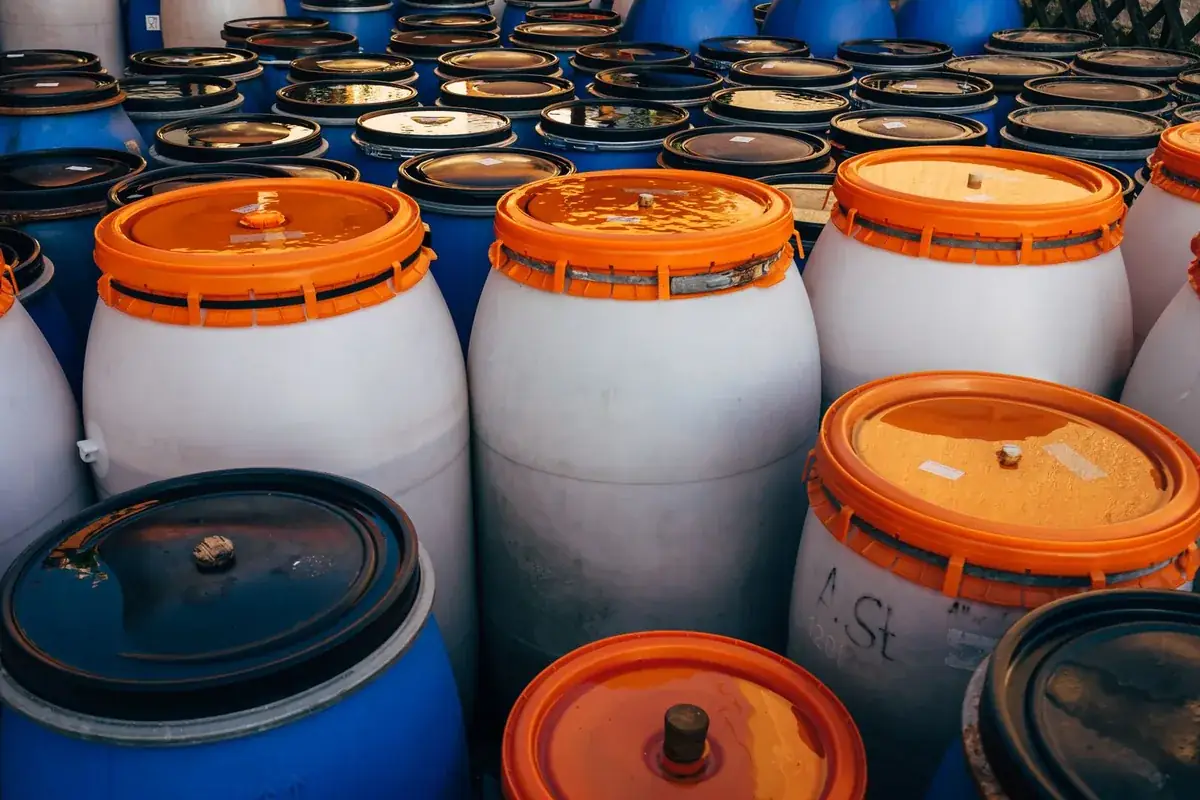
Used needle disposal means placing needles and syringes into rigid containers made to resist punctures, then sending them to a facility that treats medical waste. It keeps workers, children and pets safe.
Treat a found needle in Warsaw as a safety problem first, and call Warsaw Biohazard Cleanup Help for help anywhere in Hancock County. The team keeps people clear, collects sharps into sealed containers and disinfects any surface that came into contact with them, so your property is safe again.
With a vacancy rate near 15% in Hancock County, many owners check empty properties for sharps before repairs, sales or new tenants. After a needle stick, wash with soap and water and get medical care. Memorial Hospital in Carthage is the closest emergency room to Warsaw.
A typical needle & sharps cleanup job includes:
You tell the team what was found and where. It explains how the sweep will go and what access it needs.
Long tools let the crew lift sharps without reaching. Nothing is picked up by hand.
Needles, syringes and any other sharps are gathered and sealed as they are found.
Containers go to a facility that treats medical waste, and the owner can ask for a record of what was found.
The cost of needle & sharps cleanup in Warsaw, IL depends on the amount of material, how it is packed and how it is hauled.
Timing can matter. A same-day need near a school or play area may be scheduled differently from a sweep planned for next week.
| Type of job | Typical range |
|---|
Estimates only, not a quote. Sources: . Price drivers include number of items, where they are found, whether a sweep of a large area is needed, waste disposal. Call (877) 812-4220 to talk through the job.
Lease terms and local law decide. A landlord, an attorney or a tenant rights group can say who is responsible. In many cases the property owner books the sweep first so the unit can be used again, and the cost is sorted out afterward.
No. Recapping or bending a used needle is one of the most common ways people get stuck. Leave it where it is and let a cleanup team lift it with a tool and place it in a container.
A small yard or single room can be quick, while a building or large lot takes longer. Clutter, hidden spots and the amount of sharps affect the time. A cleanup team can give a realistic idea once it hears the details.
In many cases the person who calls does not need to be at the property. Ask the team how access and keys can be arranged. Many teams can also arrive in an unmarked vehicle, so ask about that if privacy matters to you.
Sometimes. Some homeowners and renters policies cover cleanup after a covered event, and many do not cover needles on their own. Call your insurance company before work starts, take photos from a safe spot, and keep every receipt. Check your policy rather than assuming.
Some cities and counties collect found needles from public land at no charge, and many do not. Availability varies. The local health department or public works office can say what exists where you live, and a cleanup team can help with private property.
One call can start a sweep for a yard, a rental or a whole building.
Call (877) 812-4220